 |
Westland PV.31931 |  |
| GENERAL PURPOSE, ARMY COOPERATION BIPLANE | Virtual Aircraft Museum / United Kingdom / Westland |
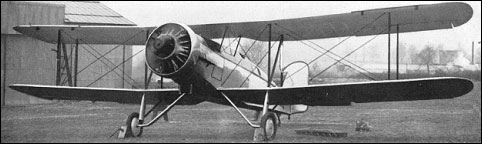 |
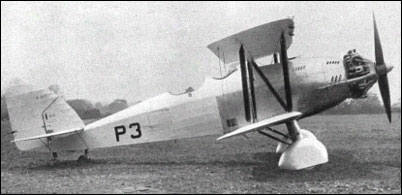
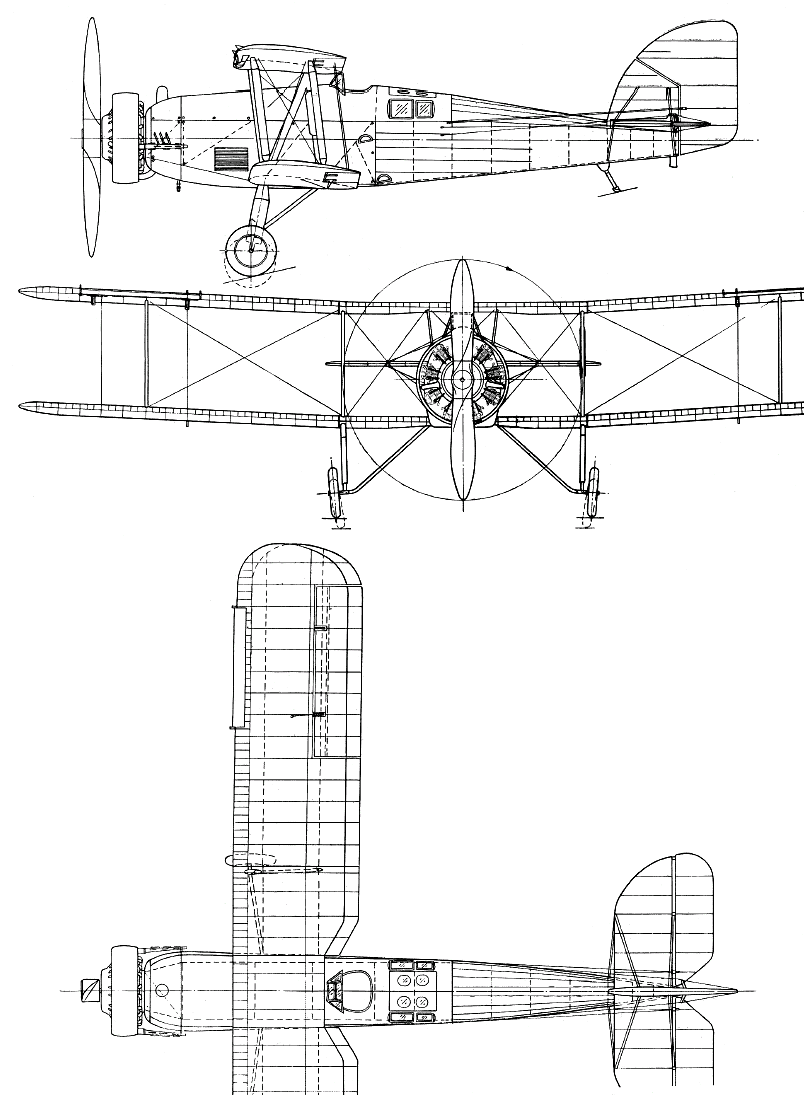
In the final phase of the biplane era, marked by the successful Wapiti and Wallace machines, the Westland design team produced, as a Private Venture, an aeroplane capable of combining Army Co-operation and General Purpose duties with Fleet Air Arm requirements and, although the type did not go into production, the only example built had an interesting and exciting career. Known as the P.V.3, the design was based on that of the previous General Purpose and Army Co-operation biplanes, but was arranged to incorporate a wide-track divided type undercarriage - to facilitate the slinging of a 450kg torpedo -and to have folding wings for shipboard stowage. First flight-tested by Flt.-Lt. Louis G. Paget, A.F.C., in 1931, the P.V.3 was being used for experimental work at the time machines were being sought for the 1933 Houston-Mount Everest Expedition. Investigation showed that, when lightened and fitted with the fully supercharged Bristol Pegasus S.3 engine, its performance was more suited than any other type for this arduous and exacting adventure. Modifications to the fuselage, involving the removal of military equipment and the conversion of the rear cockpit to a closed cabin, were made with the co-operation of members of the Expedition, and the final tests, made by Mr. H. J. Penrose, were completely successful. On January 25th, 1933, accompanied by Air Commodore P. F. M. Fellowes, D.S.O., leader of the Expedition, he set out from Westland aerodrome to perform a test climb which would prove that Everest could be cleared by a comfortable margin. They returned after an absence of an hour and forty minutes, having taken the P.V.3 to a height of over 10500m, where the temperature was less than -60°C. For the Expedition the P.V.3 was renamed the Houston-Westland and, with the converted Wallace, made the first historic flights over Mount Everest. With the successful conclusion of the Expedition's work the Houston-Westland was returned to Yeovil, and later had a long period of service as a flying test-bed for experimental engines of the Bristol Aeroplane Company. A.H.Lukins "The Book of Westland Aircraft", 1943
|  COMPANY PROFILE | |||||||||||||||||||||||||||||||||||||||||||||||||||||||
|


|