 |
Bachem Ba 349 Natter1945 |  |
| VERTICAL-LAUNCHED INTERCEPTOR | Virtual Aircraft Museum / Germany / Bachem |
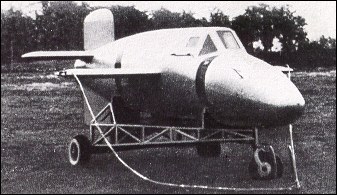 |
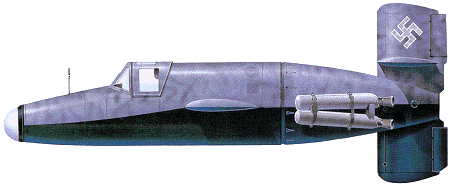
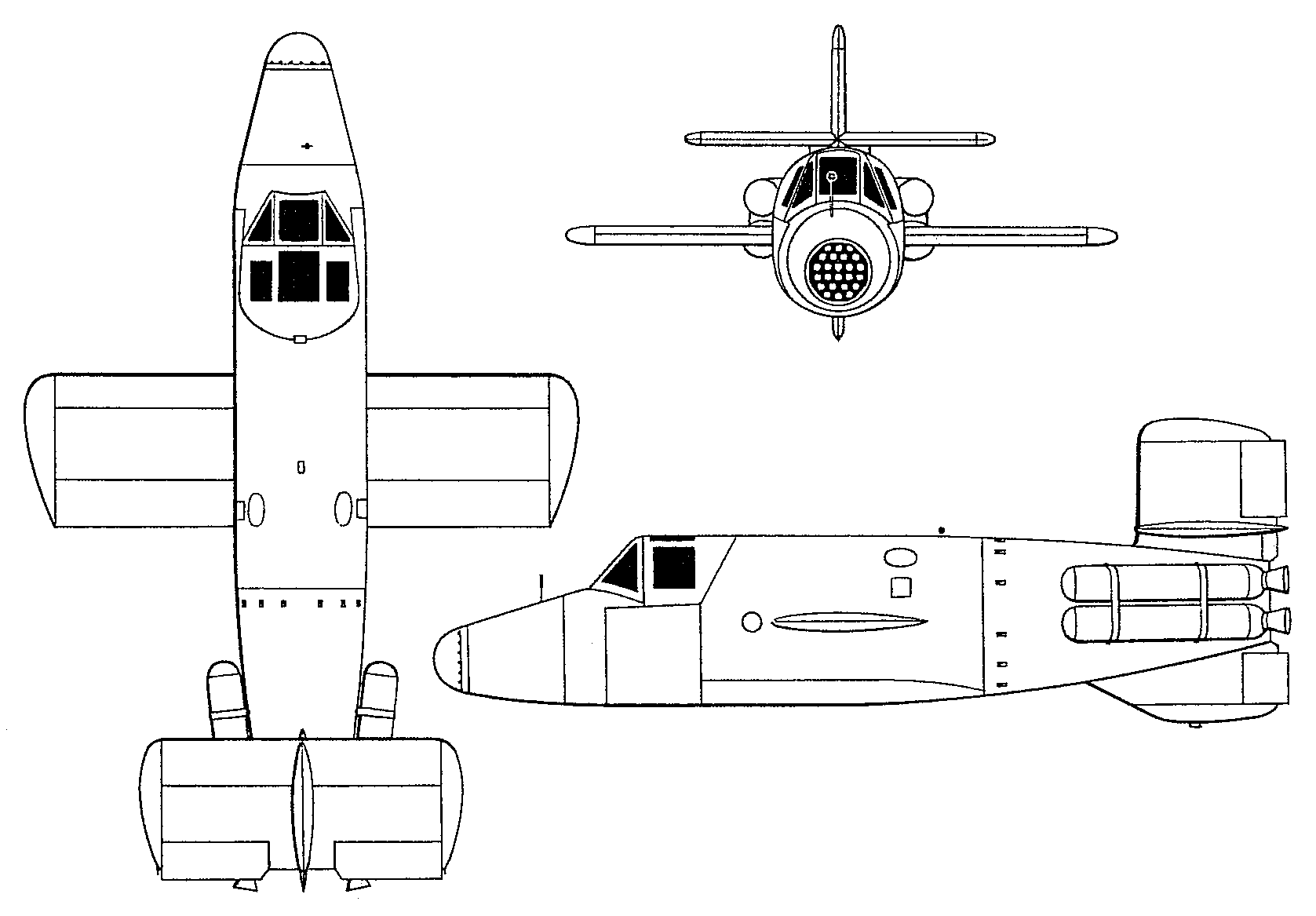
The desperate concept behind the Bachem Natter (Hummingbird) was that young pilots with little or no training would be launched vertically at US bomber formations and blow them apart with a powerful battery of rockets. With no method of landing, the pilot would then bale out, he and the rocket motor descending by parachute for further use (if either could be found again). Several unmanned launches were made and reputedly five manned ones. The first pilot was killed when the canopy came off and struck his head. The SS was more enthusiastic about the idea than the Luftwaffe and wanted 150 of the planned 200 Natters for themselves. Only about 36 were completed and 10 aircraft actually readied for launch. Fortunately for the pilots, American tanks neared the launch site and the aircraft were destroyed. FACTS AND FIGURES © Erich Bachem had first proposed his rocket-powered interceptor in 1939, but received little official encouragement. © For the first unpowered flight, the Natter was carried to 5500m beneath an He 111. © Unmanned test launches were carried out with a dummy pilot in the cockpit. © The improved Ba 349B had a rocket motor of increased endurance, but only three were produced before VE Day. © In the combat zone the streamlined nosecone would be jettisoned and a battery of 24 unguided rockets exposed. After they were fired, the entire nose would be detached and the pilot flung out by the deceleration from the recovery parachute. © The Natter was constructed mainly of wood, using a furniture hinge for the canopy - which broke off on the first manned flight. © The tail section containing the valuable rocket motor would descend by parachute after use and be recovered for another mission. © The Natter had four booster rocket motors for its launch and was on autopilot until it reached combat altitude. The sustainer rocket was good for 70 seconds of full thrust, but could be varied in power to give longer endurance. Bachem Ba 349 Natter on YOUTUBE
|  All the World's Rotorcraft | ||||||||||||||||||||||||||||||||||||||||
 Thelma
 |


|
20
reply