 |
Aichi E13A Jake1940 |  |
| SEAPLANE | Virtual Aircraft Museum / Japan / Aichi |
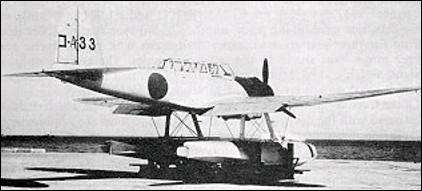 |
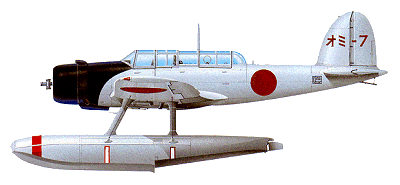
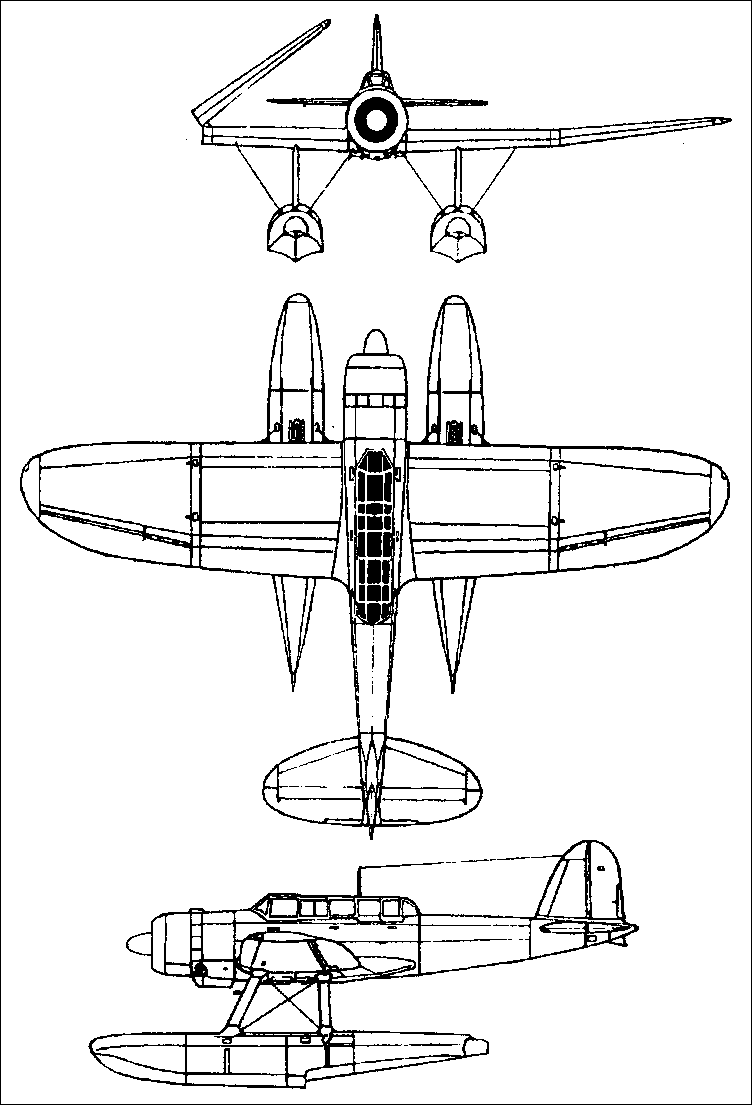
Numerically the most important of all Japanese float seaplanes during World War II, the Aichi E13A monoplane (of which 1,418 were produced) originated in a naval staff specification issued to Aichi, Kawanishi and Nakajima in 1937 for a three-seat reconnaissance seaplane to replace the six-year-old Kawanishi E7K2 float biplane. A prototype was completed late in 1938 and after competitive trials with the Kawanishi E13K in December 1940 was ordered into production as the Navy Type 0 Reconnaissance Seaplane Model 1. Early aircraft were embarked in Japanese cruisers and seaplane tenders the following year and, carrying a single 250kg bomb apiece, flew a series of raids on the Hankow-Canton railway. Soon afterwards E13A1 floatplanes accompanied the Japanese 8th Cruiser Division for reconnaissance patrols during the strike against Pearl Harbor in December 1941. Thereafter, as production switched to Kyushu Hikoki KK at Zasshonokuma and accelerated, the seaplanes (codenamed 'Jake' by the Allies) were embarked in the battleships and cruisers of the Kantais (fleets), including the battleship Haruna and cruisers Chikuma and Tone of Vice Admiral Nagumo's Carrier Striking Force at the Battle of Midway. Because of mechanical problems with the ships' catapults there were delays in launching one of the four E13Als to search for the American carriers at dawn on the crucial 4 June 1942, depriving the Japanese of the vital initiative during the early stages of the assault on Midway. Furthermore the Chikuma's E13A1 was forced to return early when it suffered engine trouble, further reducing the all-important search area. One of the other 'Jake' pilots, from the cruiser Tone, eventually sighted the American fleet but at first failed to report the presence of carriers, causing a further 30-minute delay in arming the strike aircraft awaiting orders to launch from Japanese carriers. As it was, when the Americans launched their first strike, the pilots found the decks of the carriers Akagi, Kaga, Soryu and Hiryu clogged with aircraft which should have been attacking the American fleet. In all, it is estimated that by mid-1943 more than 250 E13A1s were at sea aboard Japanese ships, though their use was severely curtailed whenever American fighters were in evidence. Nevertheless they continued to serve right up to the end of the war, many of them being ultimately used in suicide attacks on the huge American invasion fleets closing on the Japanese homeland.
|  COMPANY PROFILE | ||||||||||||||||||||||||||||||||||||||||||||||||||||||||||||
|


|