 |
Nakajima Ki-41934 |  |
| RECONNAISSANCE | Virtual Aircraft Museum / Japan / Nakajima |
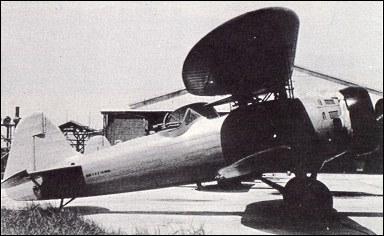 |
Extensively test-flown in 1934, the Nakajima Ki-4 sesquiplane had divided landing gear with streamlined wheel spats, and accommodated pilot and observer in tandem open cockpits, the pilot just below a cut-out in the trailing edge of the upper wing. The Ki-4 went into production and service in 1935 as the Army Type 94 Reconnaissance Aircraft Model 2 which dispensed with the wheel fairings and had a redesigned tail unit. Production continued for several years, some aircraft being licence-built by Tachikawa among the total of 516. The Type 94 was used widely in China by the Japanese army on direct co-operation duties, in close support of the ground forces. It was armed with up to four 7.7mm machine-guns and could carry 50kg of light bombs. A number were still in service in the supply and liaison role in 1941. The Japanese army tested two Ki-4s as seaplanes, one with twin floats and the other with one main and two stabilising floats. A landplane was used for flotation bag tests to check buoyancy in the event of an emergency put-down on water. Powered by a 477kW Ha-8 radial engine, the Type 94 could attain a speed of 300km/h. Wing span was 12.00m and maximum take-off weight 2500kg.
|  COMPANY PROFILE | ||||||||||||||||||||||||||||||||||||||
|


|