 |
Tachikawa Ki-9 SPRUCE1935 |  |
| TRAINER | Virtual Aircraft Museum / Japan / Tachikawa |
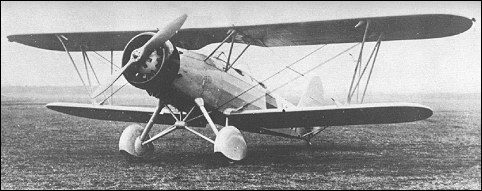 |
Designed for use as a primary or intermediate trainer (role change being achieved by the use of a different engine in the same airframe) the Tachikawa Ki-9 unequal-span two-seat biplane appeared in late 1934. The first of three prototypes was flown on 7 January 1935, powered by a 261kW Hitachi Ha-13a radial. A similarly-powered second prototype was followed by the third with a 112kW Nakajima NZ seven-cylinder radial. Tests indicated centre of gravity problems for the proposed primary trainer and the Ki-9 was developed in the higher-powered intermediate training role only.
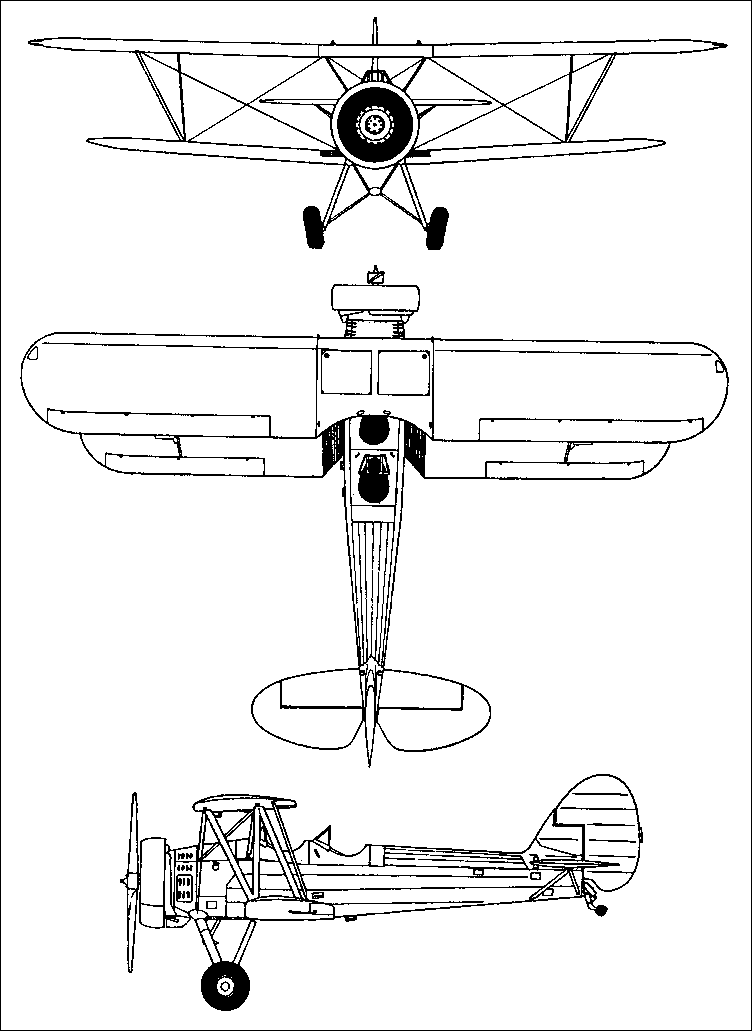
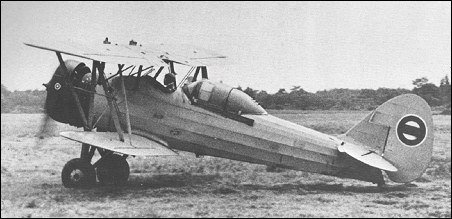
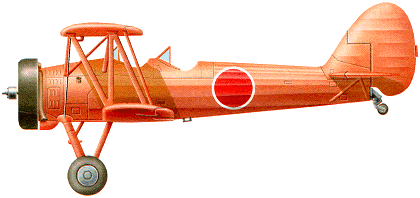 Production deliveries began in 1935. Designated the Army Type 95-1 Medium Grade Trainer Model A and later given the Allied codename 'Spruce', the Tachikawa biplane had complex split-axle landing gear with fairings over the top of the wheels. In 1939 this was modified and simplified, the fuselage slightly shortened and all-up weight reduced. The resulting Army Type 95-1 Model B or Ki-9 Kai had improved manoeuvrability and flight characteristics. Both versions were used widely for blind-flying training with a folding hood over the rear cockpit, and at least one was modified with a glazed canopy over the rear cockpit for use as a staff officer transport. Production by Tachikawa totalled 2,395, ending in 1942. At least another 220 Ki-9s were constructed by Tokyo Gasu Denki in the last two years of the war. The Japanese army's standard basic trainer, the Ki-9 was also flown in wartime by Japanese satellite countries and postwar by Indonesia.
|  COMPANY PROFILE | ||||||||||||||||||||||||||||||||||||||||||||||||||||
|


|