 |
Curtiss XP-621944 |  |
| FIGHTER | Virtual Aircraft Museum / USA / Curtiss |
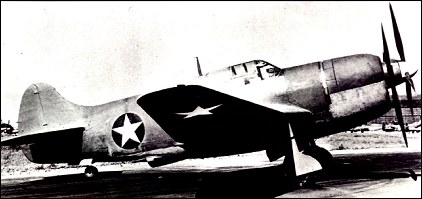 |
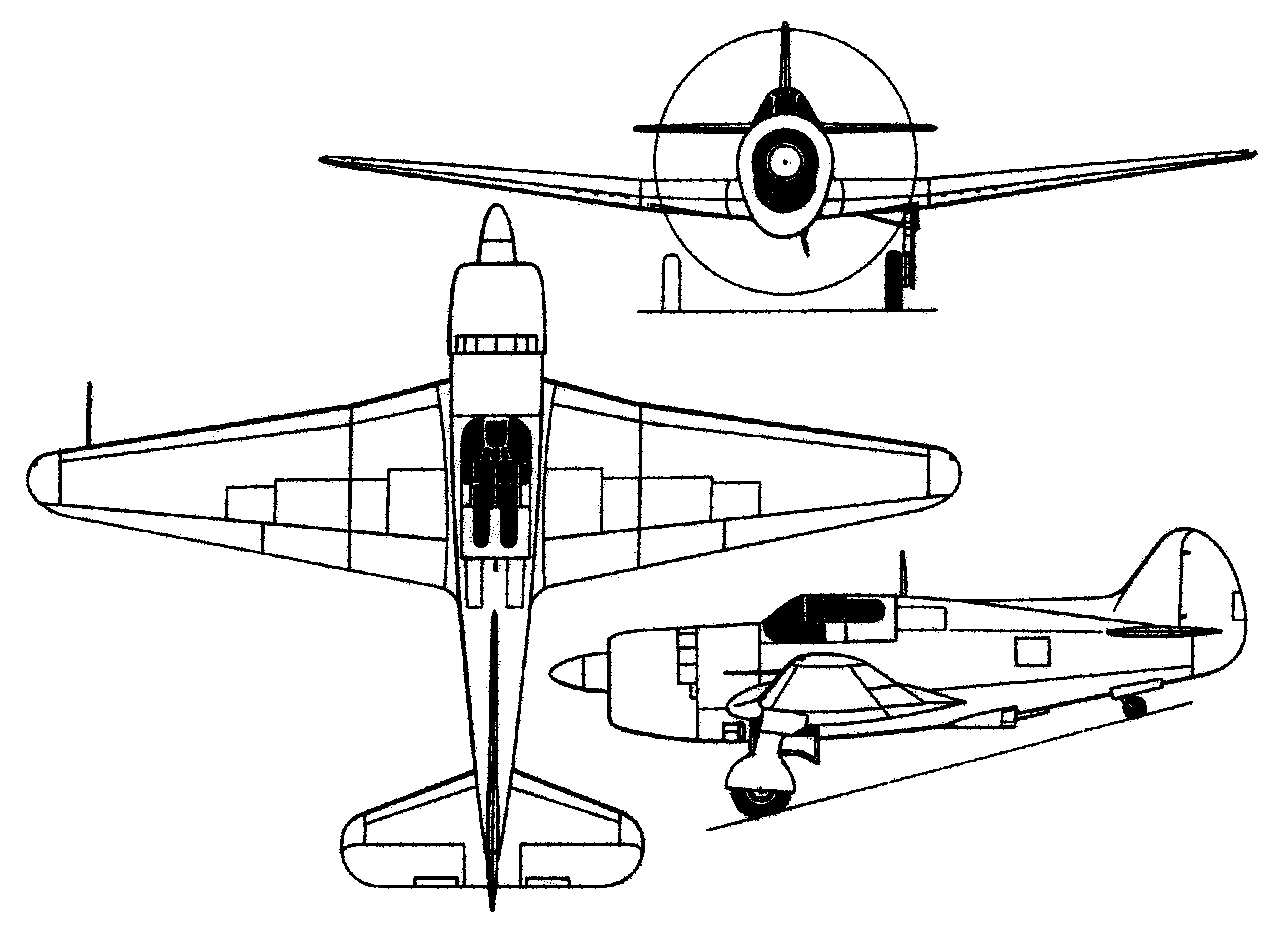
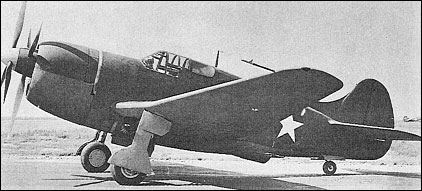
The Curtiss XP-62 was the final propeller-driven fighter built by its manufacturer and the second largest single-seat fighter of orthodox layout developed during World War II, its dimensions being exceeded only by the Boeing XF8B naval fighter. The XP-62 was ordered by the USAAF on 27 June 1941 as a vehicle for the 1715kW Wright R-3350 radial engine. Initial plans called for delivery of one XP-62 and one XP-62A and later for 100 production P-62 fighters, but it was clear almost from the beginning that the design was overweight, underpowered, and an uneconomical alternative to continued Curtiss production of the P-47G Thunderbolt. Because it would be an effective testbed for dual-rotation propellers and a pressurized cabin, it was decided on 18 July 1942 to proceed with a sole airframe, the remaining machines on order being cancelled. Development of the XP-62's cabin pressurisation system was delayed and the aircraft did not fly until early 1944. By then even the XP-62's value as a test ship was marginal and the programme was terminated after a few hours' flying time. Though the unbuilt XP-71 and the jet XF-87 still lay ahead, the great days of Curtiss as a leading fighter manufacturer were now to become history. FACTS AND FIGURES © Once production plans were scrapped the XP-62 was mainly used to test a new contra-rotating propeller. © The XP-62 lost all resemblance to its P-40 predecessors and in fact had more in common with the SB2C Heildiver dive-bomber. © Between design and firsr flight, fighter development had moved on. The heavily framed canopy and poor reai view were old hat by 1944. © Proposed armament was four or eight 20mm cannon in the wings, although this was never fitted.
|  COMPANY PROFILE | ||||||||||||||||||||||||||||||||||||||||||||||||||
|


|